Top AI Tools 2026 You Should Actually Use
Introduction
If you’ve searched AI tools recently, you probably noticed something strange.
Every blog claims their list will change your life.
Every YouTube video says “100 AI tools you must use.”
And honestly? Most of them repeat the same names without explaining why you’d even need them.
Here’s the thing.
AI tools exploded so fast that beginners now feel more confused than helped. Too many options. Too much noise. Half the tools overlap anyway.
So instead of another inflated list, this guide breaks down the top AI Tools 2026
that people are genuinely using — freelancers, marketers, students, founders… real workflows, not theory.
You’ll understand what each tool actually does, where it helps, and where it honestly doesn’t.
Let’s get into it.D
Why Most AI Tool Lists Feel Useless
Now let’s be real for a second.
Most ranking blogs stretch content just to hit word count.
They list tools nobody sticks with after week one.
The problem isn’t lack of AI tools.
The problem is decision fatigue.
Beginners install five writing tools, three image generators, two automation apps… then abandon all of them because nothing fits together.
Good AI tools don’t just look impressive.
They remove friction from daily work.
That’s the filter used here.
1. ChatGPT — Still the Daily Workhorse

Yes, obvious choice.
Still unavoidable.
People expected newer tools to replace it by now. Didn’t happen.
What changed in 2026 is how people use it. Less for random chatting. More for structured work:
- blog outlines
- coding help
- research summaries
- marketing ideas
- automation planning
Honestly, beginners underestimate prompt clarity. The tool isn’t magic — clarity in, clarity out.
If you learn one AI properly, start here.
2. Claude — The Thinking Partner

Claude feels different.
Less aggressive. More analytical.
Writers and researchers prefer it because long-form reasoning feels calmer and more logical. When documents get heavy — reports, scripts, strategy planning — Claude usually handles context better.
Not flashy.
But extremely dependable.
3. Midjourney — Visual Creation Without Designers

Design used to slow projects down.
Waiting for thumbnails, social posts, mockups… annoying bottleneck.
Midjourney changed that workflow completely.
Creators now generate:
- brand visuals
- product concepts
- YouTube thumbnails
- ad creatives
The truth is, it still needs taste. Bad prompts create bad images.
AI didn’t replace designers.
It just removed the starting barrier.
4. Runway ML — Video Editing Just Got Weirdly Easy

Video editing used to mean hours inside complicated timelines.
Runway ML quietly flipped that.
You can now:
- remove backgrounds instantly
- generate video scenes
- extend footage
- create AI motion clips
Content creators love it because short-form video production becomes faster than planning itself.
And yeah… sometimes results look slightly artificial. But speed wins.
5. Notion AI — Organization Meets Intelligence
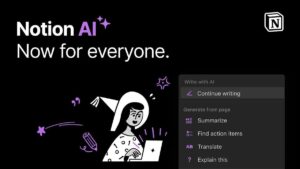
Productivity apps usually fail because people stop updating them.
Notion AI helps by doing part of the thinking.
Meeting notes summarize automatically.
Task lists generate themselves.
Content calendars practically build on command.
Here’s my opinion — this tool works best for messy thinkers.
If your brain jumps between ideas constantly, Notion AI becomes surprisingly calming.
6. Perplexity AI — Google Alternative That Feels Smarter
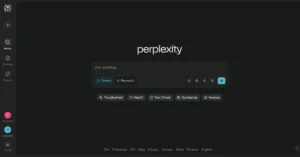
Search engines changed quietly.
Perplexity doesn’t just show links. It explains answers while citing sources.
Students and marketers use it heavily for research because it cuts browsing time dramatically.
That said, verification still matters. AI summaries aren’t perfect.
But compared to traditional search? Faster. Much faster.
7. GrammarlyGO — Writing Without Overthinking
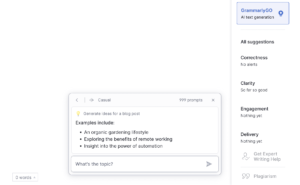
People assume Grammarly is just spell-check.
Not anymore.
GrammarlyGO rewrites tone, improves clarity, and fixes awkward sentences while keeping intent intact.
Writers who struggle with confidence benefit most here.
It doesn’t replace voice — it smooths rough edges.
Big difference.
8. Pictory — Content Repurposing Machine
Creators learned something important in 2025:
Long content alone doesn’t grow audiences.
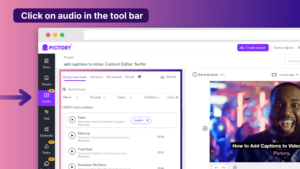
Pictory converts blogs or scripts into short videos automatically.
One article → multiple reels.
One webinar → dozens of clips.
Perfect? No.
Useful? Absolutely.
9. Zapier AI — Automation Without Coding
Automation used to belong to developers.
Zapier AI changed accessibility completely.
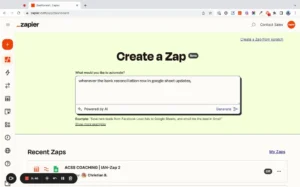
You describe workflow like:
“Save email attachments to Google Drive and notify Slack.”
Done.
Businesses quietly save hours every week using automation chains like this.
Most people ignore automation until workload becomes painful.
Then they wish they started earlier.
10. Canva Magic Studio — Design for Non-Designers
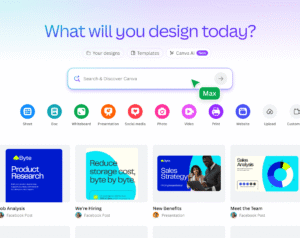
Canva evolved from beginner design tool into full AI workspace.
Magic Studio now handles:
- presentations
- marketing visuals
- background removal
- AI writing
- branding kits
Professionals sometimes criticize Canva.
Honestly? Clients rarely care how design was made — only results.
11. ElevenLabs — Human-Like AI Voice
Voiceovers used to require studios or freelancers.
ElevenLabs produces extremely realistic narration.
Used heavily for:
- YouTube automation
- audiobooks
- training videos
- podcasts
The scary part? Voices sound almost indistinguishable from humans now.
Ethics conversations around this tool are growing fast.
12. Synthesia — AI Avatars for Video Communication
Businesses hate recording videos repeatedly.
Synthesia solves that with AI presenters.
Training videos, onboarding guides, product demos — all created without cameras.
Some avatars still feel slightly robotic.
But for internal communication? Massive time saver.
Honest Comparison Table
| Tool | Best For | Learning Curve | Reality Check |
| ChatGPT | Daily tasks | Easy | Needs good prompts |
| Claude | Deep writing | Medium | Slower responses |
| Midjourney | Images | Medium | Requires creativity |
| Runway ML | Video | Medium | Not always perfect |
| Notion AI | Productivity | Easy | Setup takes time |
| Perplexity | Research | Easy | Verify sources |
| GrammarlyGO | Writing | Very Easy | Style limited |
| Pictory | Repurposing | Easy | Editing needed |
| Zapier AI | Automation | Medium | Paid plans add up |
| Canva Magic | Design | Easy | Templates repeat |
| ElevenLabs | Voice | Easy | Ethical concerns |
| Synthesia | AI video | Medium | Avatar realism varies |
No exaggeration here. Every tool has trade-offs.
Expert Insight
“The biggest mistake I see beginners make is chasing new AI tools every month. Master two or three properly, and productivity jumps more than installing twenty apps.”
That’s been true across teams I’ve worked with too.
Consistency beats experimentation overload.
How to Choose the Right AI Tool (Without Getting Overwhelmed)
Honestly, don’t start with twelve.
Pick based on your actual work:
If you write → ChatGPT + GrammarlyGO
If you create visuals → Midjourney + Canva
If you run business workflows → Zapier + Notion AI
Simple stack. Real improvement.
People fail with AI because they try everything at once.
Common Mistakes Beginners Make
Quick reality check.
- Installing tools without workflow
- Expecting instant perfection
- Ignoring prompt learning
- Switching tools too fast
AI rewards patience more than curiosity.
Weird but true.
CTA (Soft Suggestion)
If you’re just starting, try using only two tools for the next seven days. Seriously.
Track where time saves happen.
Notice what feels natural.
That experiment alone teaches more than watching ten tutorials.
FAQs
1. WhichTop AI Tools 2026 ?
ChatGPT or Canva. Both are intuitive and useful immediately.
2. Are free AI tools enough?
For learning — yes. Advanced workflows usually need paid plans later.
3. Do AI tools replace jobs?
They mostly replace repetitive tasks, not creative decision-making.
4. Which AI tool helps students most?
Perplexity AI for research and ChatGPT for explanations.
5. Is learning multiple AI tools necessary?
No. Mastering a few tools works better long-term.
6. Are AI-generated designs professional?
They can be, if edited properly afterward.
7. How fast should beginners adopt AI?
Slowly. Focus on integration, not experimentation.
Conclusion
AI isn’t slowing down. That part is obvious.
But productivity in 2026 doesn’t come from chasing trends — it comes from choosing tools that genuinely fit your workflow. Thetop AI Tools 2026, listed here aren’t perfect, and honestly, they don’t need to be.What matters is consistency.Pick a few. Use them daily. Learn their limits.That’s where real advantage starts showing up.